Oct 28, 2026
Stock Photos for Client Work: What Agencies Can and Can't Do

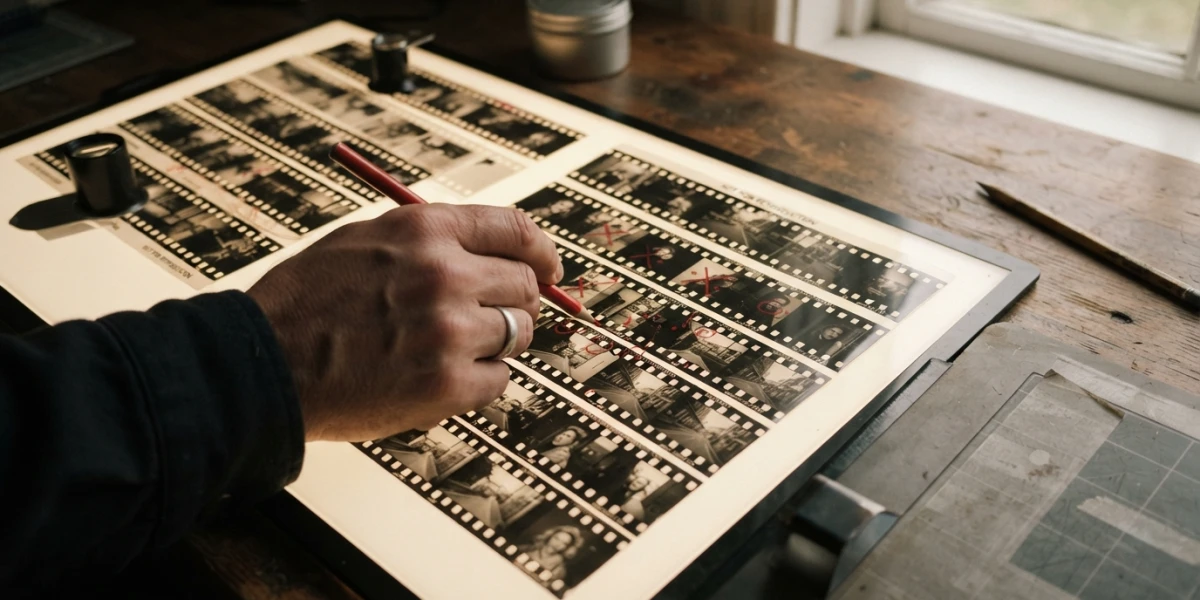
Image generated with AI
Stock photos for client work feel routine until the invoice clears and somebody asks who actually owns the license on that image. Your client owns the website. The file in their folder is a different story.
The license belongs to whoever bought it, not to the project
Owning a file is not the same as holding the right to use it. The AIA and ASMP best practices guide is blunt about it: physical or digital possession of an image grants nothing. A license is the permission, and it answers only three questions - who may use the image, in what media, and for how long.
When your studio buys a download, the studio is the licensee. Your client can use that image inside the project you delivered because most marketplaces expect agency work, but the permission does not silently migrate to them. Adobe Stock's standard license allows transferring the license to a single client or employer, and explicitly excludes more than one without a separate license for each. iStock takes another route: its agreement calls the rights non-transferable and non-sublicensable, with two narrow exceptions - an employer or client, but only if you bought in their name and hold authority to bind them to the terms, and subcontractors such as printers or mailing houses while they produce or distribute the final project. Buy on your own account without that authority and your client's right to use the image is not a given.
That paragraph of fine print is why two agencies can deliver the same image to two clients and only one of them is safe.
Three ways agencies buy stock photos for client work
There is no universal answer, but there are three workable models. Choose one on purpose and write it into your contract instead of defaulting into whichever is fastest on a busy Tuesday.
The client buys in their own name
The client opens the account, pays, downloads the images and hands the files to you as project assets. The license is theirs from minute one, which makes offboarding trivial: nothing has to be transferred or revoked later. The cost is friction - approvals, invoices landing in the wrong inbox, a designer waiting on a card at 6pm. It suits clients who already run a marketing procurement process.
The agency buys and licenses the use for the project
You buy, you control the aesthetic, you deliver fast. It is the model most studios use and it is defensible as long as you keep an asset log and your contract states what happens when the engagement ends. The risk sits in two places: informal handovers with no record, and clients who assume the project invoice bought them unlimited rights to every image inside it. A short clause naming the images, the permitted uses and the account that purchased them fixes both.
The agency holds a multi-seat or team plan
If three designers routinely touch the same downloads, a team plan beats buying the asset three times and beats shared logins by a wide margin. Note the constraint in every provider agreement: multi-user plans are limited to users inside the same legal entity. It is not a way to license assets for unrelated clients, and not a mechanism for reselling permissions.
What you can hand over, and what you cannot
Delivering finished exports is normal work. Delivering the source asset as an independent file is distribution, and standard licenses prohibit it. A JPG or WebP cropped and compressed for the client's hero section is fine; dropping the original download into their shared drive so an intern can re-crop it later is not.
Uploading originals to a client's DAM deserves the same scrutiny. Some agreements allow storage on servers belonging to the licensee entity, and a client's cloud account is not your entity. When a client insists on source files, the honest answer is usually a second license bought in their name rather than a zip file and a hopeful email.
Subcontractors are the exception most people miss. Printers, mailing houses and media vendors may handle the file while they produce or distribute the final project, and the permission ends with the project. It does not extend to them reusing the image in their own portfolio.
How many people can touch the same download
Credit-based standard licenses are typically built for one user at a time. Extended credit licenses often allow unlimited users within a single legal entity, plus storage on that entity's servers. Subscriptions are frequently tied to one named person. The practical rule: if two designers will edit the same photo this week, buy the seat. Sharing a password is the cheapest way to turn a routine project into an audit finding.
Be honest about the limits you are inheriting
Every license carries ceilings, and your client inherits them the moment you deliver. Standard licenses cap copies or impressions, commonly at 500,000 for the bigger libraries. Merchandise is usually off the table: you cannot print a stock photo on a t-shirt or mug and sell that product as the main value. Templates built around the image are prohibited too.
Then there are the releases. Commercial use of a recognizable person or a private building normally requires a model or property release, and not every asset has one. Editorial-only images cannot be repurposed for advertising, however perfect they look in the mockup. The commercial versus editorial breakdown and the guide to model and property releases cover those lines. Your client knows none of this, so telling them once in writing is part of the deliverable.
The handover pack: six things to give the client
Ten minutes of admin turns a vague promise into documented permission. At close, the client should receive:
- The asset name or ID and the marketplace it came from.
- A copy of the license or the purchase invoice, with the date visible.
- The covered uses - web, social, print, email - and the relevant limits.
- The file sizes you delivered and which channel each one is meant for.
- A line stating who holds the license today and what happens if they change agency.
- A contact path for extending rights later: a second license, a bigger print run, exclusivity.
Keep your own copy of the same pack. The first question in any dispute is not who designed the page, it is who can produce the receipt.
Pricing it without creating a liability
Licensing belongs on the invoice as a visible pass-through line, not buried in a creative fee. Itemizing keeps you honest, explains why a second campaign needs a second purchase, and stops you from promising unlimited usage out of your own margin.
When a client needs more than the license allows - a national print run, merchandising, category exclusivity - the answer is a new or upgraded license, not a friendly email saying go ahead. Verbal expansions are how agencies end up carrying somebody else's campaign. Note what iStock expects during a claim: its agreement lets the provider require you to stop using the content, delete copies, and make sure your clients, distributors and employer do the same. That is only manageable if you know what you handed to whom.
Five mistakes that turn into claims
- One license, two clients in the same industry.
- Handing over the RAW or layered file with the stock photo inside it.
- Parking the original download in a client's shared cloud folder.
- Downloading on a colleague's account because the subscription ran out.
- Publishing the image after the client moved to another agency.
None of these are malicious. All of them are easy to prove against you, because the marketplace holds the download log and you do not hold the paperwork.
Conclusion
Your client is buying an outcome; you are buying a permission, and the two are not the same purchase. Choose the account model deliberately, keep an asset log, put the license in the handover pack, and price licensing as a line item so nobody expects it for free. A cleaner start is photography that already carries clear commercial terms - browsable, licensable and ready to drop into client work without a conversation about rights. Explore the YourPhotoStock collection the next time a brief lands, and license from the first draft instead of the last scramble. This article describes how licensing practice works in agency projects; it is general information, not legal advice for a specific contract.
Related articles


Looking for the perfect stock photo?
Browse thousands of premium photos and 4K videos, pay per download.
Browse the collection