Aug 11, 2026
Natural Poses for Stock Photography: Directing Real People, Not Models
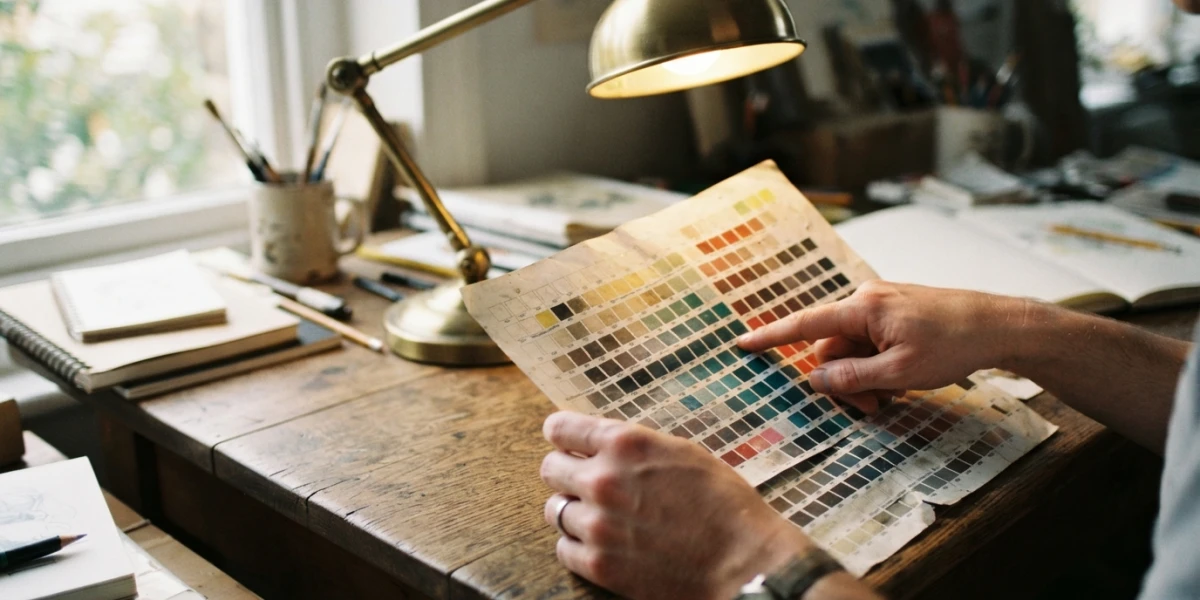
Image generated with AI
Buyers search stock libraries for "authentic" and "candid", not stiff model poses. Natural poses stock photography outsells studio posing because real people, directed well, look like the audience buyers want to reach. The skill is direction, not hiring models.
Why Authentic Beats Polished in Stock
The language buyers type into a stock search tells you what sells: authentic, candid, natural, real. Lifestyle categories reward genuine interaction and emotion, not flawless posing. As AI-generated imagery grows, the value of real human imperfection rises — the slightly crooked smile and the unplanned laugh are exactly what synthetic images cannot fake convincingly. If you produce people photography, that is your edge.
Bank poses age a portfolio fast. The hands-on-hips stance and the showroom smile read as staged, and buyers skip staged. The images that license are the ones that look like someone paused mid-moment, not like someone held a position on cue.
Before the Shoot: Casting and Prep
You do not need professional models to produce sellable people photography. In fact, friends, family, and local talent often work better: they are comfortable with you, and comfort reads on camera. Choose people who are at ease in front of a lens over people who simply photograph well. A nervous subject produces stiff frames no matter how good your light is.
Prep the details before the shoot. Wardrobe without logos, in solid colors, keeps the image timeless and licensable — a visible brand can turn a commercial image into an editorial-only one. Build a small moodboard of gestures and situations so the subject sees what "natural" means in practice. Talk through the vibe you want: relaxed morning coffee, focused work session, family chaos. And sign releases before you shoot, not after. The legal side matters enough that we covered it in depth in our model releases guide; here the point is that a signed release is a precondition for the shoot, not an afterthought.
Directing Techniques for Natural Poses
Once the shoot starts, your job shifts from photographer to director. The techniques below are the ones that reliably turn a non-model into a believable subject.
Give Them a Task
The fastest way to kill stiffness is to give the person something to do. Busy hands mean a natural body: pouring coffee, typing an email, folding laundry, walking while talking on the phone. When attention is on the action, the subject forgets the camera, and the body follows. A task also gives the frame a story, which is exactly what lifestyle buyers are looking for.
Movement and Retakes
Shoot in bursts while the subject moves. Have them walk toward you, turn, look down, look up, laugh — and keep the shutter running between instructions. The best frames almost always arrive between poses, in the transition nobody planned. Fake laughter is a reliable trick: prompt a laugh that starts forced and it usually becomes real within a second or two. Real laughter is the expression buyers pay for.
Fix the Face, Not the Body
Beginners correct posture and angles first. Experienced directors fix the face: chin slightly forward and down to define the jaw, eyes toward the light, and a real smile generated by conversation rather than by the word "smile". Talk to the subject between frames — ask about their weekend, tell a bad joke — and shoot while they react. Genuine expressions come from interaction, not instruction.
Hands Are the Tell
An untrained subject never knows what to do with their hands, and dead arms hanging at the sides are the giveaway that someone is not a model. Give the hands a small action or a destination: a prop to hold, a pocket, a gesture mid-speech. Even a tiny job — tucking hair, adjusting a sleeve — removes the awkwardness, because the hands stop being a problem the subject is thinking about.
A Simple Posing Workflow
A sixty-minute session with a non-model, structured, looks like this: fifteen minutes of preparation and conversation, ten minutes of warm-up shots with no pressure, twenty minutes of tasks and movement, ten minutes of interaction close-ups, and five minutes reviewing frames on camera together. The warm-up matters more than it seems — the first frames are almost always stiff, and knowing that in advance keeps you from chasing unusable poses.
Shoot generously and select afterward. Volume is your friend with non-models: the ratio of usable to unusable frames is lower than with professionals, but the absolute number of great moments is higher because real reactions are unpredictable. This is where a good culling workflow pays for itself — shoot a lot, then keep the honest moments.
Releases and Commercial Use
Releases are the difference between an image that licenses and an image that only decorates your hard drive. A model release is required for any recognizable person used commercially. A property release covers identifiable places, buildings, or brands. Without a signed release, a great lifestyle image is unusable for commercial purposes, no matter how natural the pose.
Editorial use is the exception: news and documentary contexts can show recognizable people without releases in many jurisdictions. But stock libraries sell mostly commercial licenses, and commercial requires the paper. Shoot with releases as a default and you will never have to explain to a buyer why your best image cannot be licensed.
What Buyers Do With Lifestyle People Photos
Ads, websites, and social campaigns all need credible people. A campaign that shows real-looking humans — laughing at a kitchen table, focused at a desk, walking through a city — converts better than one built on stiff studio poses, because the audience sees itself in the frame. Buyers know this, which is why "authentic" is one of the most-used search terms in the industry.
That is also why a set of natural poses from a single session is so valuable: one shoot can produce a visually consistent campaign, with the same people, light, and palette across every frame. At YourPhotoStock, lifestyle collections are organized by activity and setting so a buyer can assemble a complete campaign without mixing styles or subjects.
Conclusion
Natural poses stock photography is not about finding models; it is about direction. Prepare the person before the shoot, give them tasks, keep them moving, fix the face, solve the hands, and shoot in bursts until the honest moments appear. Structure the session so the pressure stays off, and secure releases before anything else. If you sell, run your next session with these techniques and watch the ratio of keepers climb. If you buy, look for lifestyle series with believable interaction — the campaigns that connect are built on people who look real. Browse the lifestyle collections at YourPhotoStock to see the difference.
Related articles
Looking for the perfect stock photo?
Browse thousands of premium photos and 4K videos, pay per download.
Browse the collection