Aug 15, 2026
Pet Photography for Stock: How to Choose Images That Convert
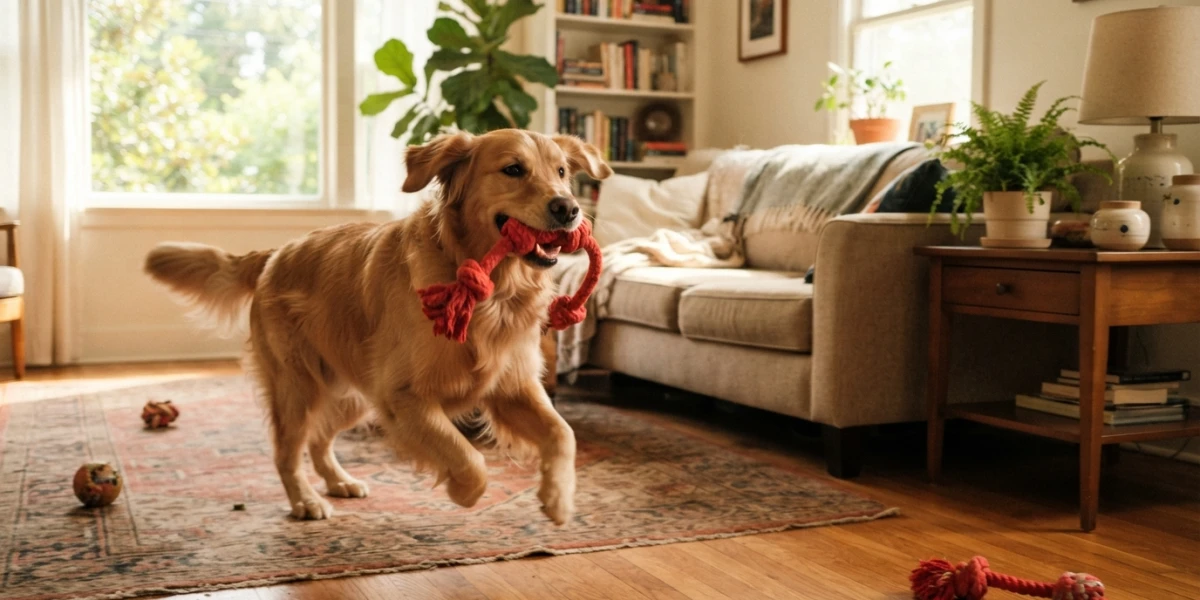
Image generated with AI
Pet photography is one of the most licensed subjects in stock: one major agency hosts over 14 million "cute animals" images for pet brands, vet clinics and adoption campaigns. Yet most images never convert; the ones that do share specific qualities worth checking before you license.
Why Pet Photography Is a High-Demand Stock Category
Pet imagery sits at the intersection of emotion and commerce. Pet food and pet care brands, veterinary clinics, pet insurers, adoption organizations, toy makers and greeting card companies all need dog and cat images for ads, packaging, websites and social posts, and lifestyle publishers use them constantly to make content feel warmer and more human. Seasonal peaks matter too: puppy and kitten imagery surges around holidays and adoption events, which is why agencies refresh their animal libraries all year round.
The demand is easy to measure. Adobe Stock runs an entire animal hub covering pets, wildlife and animals in everyday environments, and the Shutterstock collection of "cute animals" images alone exceeds 14 million files, a strong signal of how often buyers search for this content. The appetite covers stills and video, from a puppy stock photo used in a banner to short pet clips for social campaigns.
What buyers consistently look for is authenticity. The images that get licensed are rarely stiff studio poses; they are animals being animals, mid-shake, mid-run, curious about the camera, relaxed on a sofa. That candid quality is exactly what makes a pet campaign feel believable.
What Buyers Look For: Authenticity and Expression
The most effective pet stock photos start with the animal's personality. Photographers who specialize in this niche are taught to ask what makes each animal unique and to let that character drive the shoot, and the same principle helps you evaluate images: a golden retriever mid-smile with a favorite toy tells a more useful story than a generic dog looking at the camera.
Behavior matters as much as looks. Understanding how dogs and cats move, what calms them and what excites them is the difference between a portrait that feels alive and one that looks staged. Cat stock photos, for example, rarely depend on action; buyers look for elegance, curiosity and the slow blink that signals trust, while dog photography tips usually revolve around energy and play. When you review candidates, favor real expressions and natural body language, ears relaxed, tail moving, eyes bright, over posed stillness.
Technical Quality to Check Before You License
Emotion sells, but technical flaws kill a license. Before you commit to an image, check the fundamentals.
Focus and Sharpness
Sharp focus on the eyes is non-negotiable. Animal eye autofocus (eye AF) has made tack-sharp eyes the standard in new pet photography, so a frame with soft eyes stands out as a flaw. Zoom to 100 percent on the eyes before you download.
Frozen Motion
Dogs and cats rarely hold still. The pet portraits that license are usually shot with a fast shutter speed, 1/500s or quicker, so motion blur is almost never present. Blurry paws or a smeared tail are instant dealbreakers for commercial use, which is why photographers shoot bursts and pick the sharpest frame.
Framing at Eye Level
The strongest pet portraits are made with the lens at the animal's eye level or slightly below. Shooting from above flattens the connection; eye-level framing puts the viewer in the animal's world and is widely considered the critical difference between a pet portrait that works and one that fails before it starts. As a buyer, prefer images where the camera clearly met the animal at its own height.
Resolution and Clean Backgrounds
Match resolution to your largest use: a full-bleed print needs more pixels than a social post. Also check the background. Images that convert usually isolate the subject against a clean or softly blurred backdrop, so the pet, not the clutter, carries the message.
Light and Scene: The Natural Look
Pet stock photography that licenses leans heavily on natural light: soft window light, golden hour, or gentle shade on an overcast day. Harsh midday sun puts unflattering shadows on fur and makes animals squint, so scenes with soft, even illumination photograph best and look most premium in a layout.
Environment matters for your use case as well. Everyday scenes, a dog on the sofa, a cat in the kitchen, a puppy in the park, fit lifestyle and social campaigns, while cleaner studio-style backgrounds suit product ads and packaging. Decide where the image will run and pick the scene accordingly.
Build a Varied Series: Portraits, Action, and Details
The most useful pet collections are not a single great shot but a varied series. A strong series covers several search intents and several placements in one campaign:
- Expression portraits: the animal looking at the camera with personality, ideal for hero banners and ads.
- Action frames: a dog running, jumping or shaking off water, energy that works for social posts and video thumbnails.
- Detail shots: paws, nose, ears or a wet fur close-up, perfect for backgrounds, textures and packaging accents.
- Pet and owner: the animal with a person's hands or a family scene, which broadens the emotional story and brings release requirements with it.
- Everyday moments: sleeping, eating, playing at home, for lifestyle and editorial-style content.
If you commission a shoot, plan the session in three blocks, portrait, action and detail, and budget about an hour with breaks for the animal. A short warm-up, direction with treats or toys, and plenty of frames are the difference between a handful of usable shots and a full series. Ask the photographer to capture both horizontal and vertical crops of each setup, so the same asset works in a wide banner and a tall social story.
Licensing Pet Images: Releases and Usage Rights
One of the best parts of licensing pet photography is that animals themselves never need a model release. The rules change the moment a person enters the frame: recognizable people, an owner's hands, someone walking the dog, a child playing with a kitten, require a model release for commercial use, and recognizable private property may require a property release.
Check the license details before using any image in advertising or merchandise. If the pet appears with a person or in a clearly identifiable location, confirm the release status in the image metadata or the agency listing, and remember that editorial use is a different category from commercial use. If your campaign targets several regions, confirm the releases cover the countries where the ad will run, since usage rights can vary by territory. When in doubt, choose images whose listing states that all people shown are released.
Conclusion
Pet photography is a dependable, high-demand stock category because it pairs emotion with commerce: pet brands, clinics, adoption campaigns and publishers all need authentic dog and cat imagery, and the images that convert are the ones with real personality, sharp eyes, eye-level framing and clean licensing.
Next time you search, evaluate like a pro: check the eyes at full zoom, confirm the motion is frozen and the framing meets the animal at its own level, then verify the releases. Browse the pet and animal collection at YourPhotoStock to find images that bring warmth and authenticity to your next campaign.
Related articles



Looking for the perfect stock photo?
Browse thousands of premium photos and 4K videos, pay per download.
Browse the collection