Aug 6, 2026
Lifestyle Stock Photography: How to Shoot Scenes That Sell

Image generated with AI
Buyers do not license lifestyle stock photography because of the lighting — they license it because the moment feels real. Lifestyle is the genre where a genuine laugh outsells a perfect pose. Here is how to shoot scenes that stop a designer mid-scroll.
Why Lifestyle Is the Genre Buyers Trust Most
Open any ad campaign, ecommerce homepage, or social media feed and count how many images show people doing ordinary things: working from a kitchen table, laughing over coffee, cooking with a child. Authentic human moments consistently rank among the best-selling categories in stock libraries, and the reason is simple — they are the images buyers can project themselves into. A lifestyle photo does not sell a product so much as it sells a feeling the product belongs to, which is why art directors reach for it again and again across web design, email, and paid social.
Viewers are also harder to fool than ever. The moment an image feels staged — a smile held too long, hands arranged like a still life — the campaign loses credibility. Buyers know this, and so do the designers who choose the imagery. That is why the gap between a scene that sells and one that sits in a portfolio is usually not technical. It is emotional.
What Buyers Mean by "Lifestyle"
In the stock world, lifestyle does not mean candid chaos. It means people in believable situations, using a product or service as part of a story: a business breakfast, a remote-work setup, a family cooking dinner. It is the opposite of a product on a white background. The subject matters less than the context around it, and the context is what gives the buyer's layout a narrative to work with.
Plan the Scene, Not the Pose
The biggest mistake new lifestyle shooters make is planning poses instead of scenes. A pose is what you do with a body; a scene is everything the camera sees — location, props, wardrobe, light, and the interaction between people. Start from what buyers actually need: remote work, coffee with friends, family cooking, fitness. These scenarios repeat in campaigns because every brand sells to people who live them.
Write a shot list per scene before you pick up the camera. A concrete example — a "working from home" scene:
Location: a bright room with a window on one side. Props: an open laptop, a coffee mug, a notebook, a phone. Wardrobe: neutral, casual, no visible logos. Shot list: (1) person typing, face lit by window light; (2) person reading the screen and reacting; (3) two-shot with a colleague on a video call; (4) over-the-shoulder detail of the laptop with hands on the keyboard.
Keep props and clothing coherent with the story. A designer will spot a mismatched detail instantly, and so will the art director who has to explain it to a client. Locations do not need to be exotic — a home, a café, an office, a park are the four most requested backdrops in the genre.
Directing for Authenticity
Direct people with prompts, not poses. Instead of "put your hand on your chin," try "laugh at what she just told you" or "show me the screen like you are explaining something important." Prompts produce movement and expression; poses produce stiffness. Then shoot in bursts and keep the camera running between takes — the best frames of a lifestyle session are often the ones caught a second before or after the "real" take, when the model drops the performance and becomes a person.
Shoot the same scene from multiple angles and with several variations. Buyers do not license a single image; they license options. A set of ten usable frames from one scene gives the final customer flexibility across formats, and collections that offer variation sell better than single strong shots.
Light That Serves the Mood
Lifestyle photography rewards light that looks like it belongs in the scene. Indirect natural light — a window as a soft key, a shaded porch, an overcast afternoon — is the safest base because it flatters skin tones and keeps the mood believable. But lifestyle is also the genre where you can experiment: golden hour flare spilling across a table, cool blue-hour tones for a contemplative mood. What reads as "wrong" in a studio product shot often reads as "alive" in a lifestyle scene.
Avoid direct flash as a main light. It flattens the scene and brings back the catalog look you are trying to escape. If you need more light, bounce it or move the scene closer to a window.
The Commercial Checklist
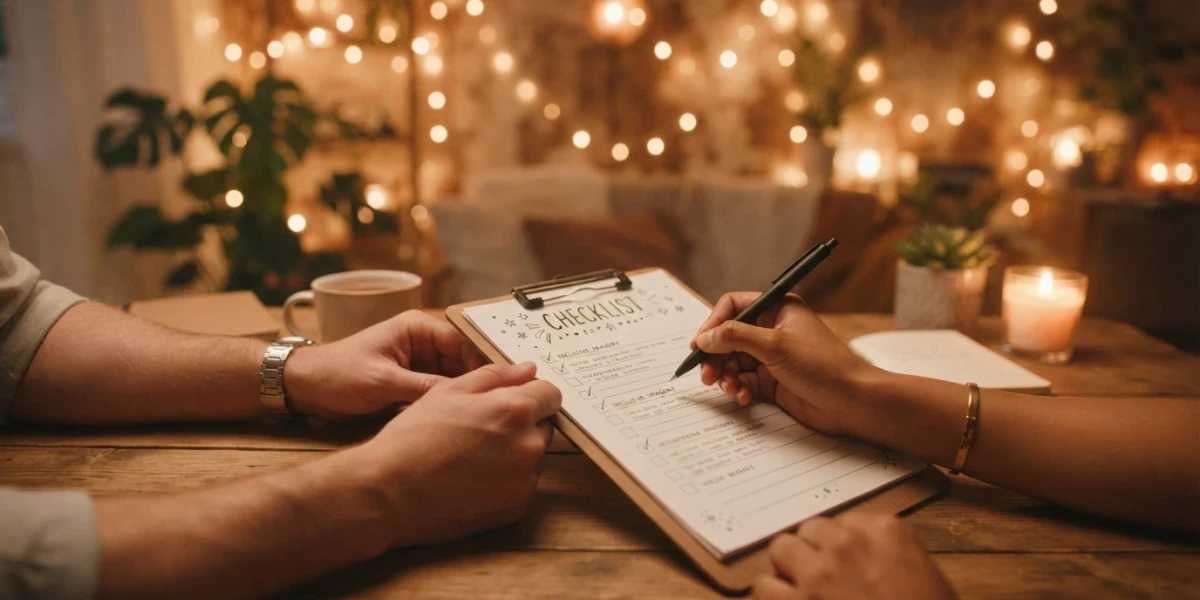
Before a single frame can be licensed for advertising, the shoot has to pass a commercial check. Work through these items on every lifestyle session:
Model release signed by every visible person — no exceptions, no "they said it was fine." This is the difference between a commercial bestseller and an editorial-only file.
No logos or trademarked elements. Cover the brand on the laptop, the label on the coffee bag, the logo on the cap. Buyers will reject the image in moderation or in the layout review.
Diverse casting. Buyers explicitly search for inclusive imagery, and campaigns that reflect their audience convert better.
Check the background. Posters, framed art, and street signs with copyrighted content can make an otherwise perfect frame unusable.
Shoot vertical and horizontal versions of every scene. Campaigns need both for feeds, banners, and print, and a buyer who finds the right scene in the right orientation is a buyer who downloads.
What to Look For as a Buyer
If you are on the buying side, the same principles help you choose well. Look for genuine emotion rather than a catalog smile — the eyes and the hands usually tell the truth. Prefer scenes that show diversity naturally, with realistic skin tones and believable interactions. Check that there is enough negative space to overlay headlines or product copy, and ask whether the scene tells one clear story. An image that communicates instantly at thumbnail size is worth more than one that needs a caption.
Conclusion
Lifestyle stock photography sells when it feels true: a scene planned like a film, directed with prompts instead of poses, lit to serve the mood, and cleared for commercial use. Whether you are building a portfolio or choosing images for your next campaign, the standard is the same — the moment has to feel real. Explore the YourPhotoStock lifestyle collection to see how authentic scenes are curated for commercial licensing.
Related articles
Looking for the perfect stock photo?
Browse thousands of premium photos and 4K videos, pay per download.
Browse the collection